L’écologie fonctionnelle, c’est comprendre les liens étroits qui unissent chaque élément de la nature : le sol, l’eau, le végétal, la faune, les insectes, les bactéries, les champignons.
Ces articles sont une réflexion personnelle, nourrie par une observation sur le terrain, les mains dans la terre, et appuyée sur des sources que je cite à la fin de chaque texte. Chacun part d’un constat fait sur un chantier, dans un jardin ou dans une commune, puis remonte jusqu’aux liens qui l’expliquent.
Ils s’adressent aux élus et aux services techniques, aux paysagistes et aux agriculteurs, comme aux particuliers qui veulent comprendre ce qui se passe sous leurs pieds. Chaque article est ouvert aux commentaires et à l’analyse contradictoire, du moment qu’elle est constructive. Vos commentaires sont une source importante : ils me permettent d’adapter mes articles pour qu’ils soient compris de chacun.
Chaque article se télécharge en PDF. Le bouton « Télécharger l’article en PDF » se trouve en haut de chaque article en français ; pour les articles traduits, la version anglaise a le sien, « Download the article as PDF ».
Functional ecology means understanding the close links that bind every element of nature together: soil, water, plants, animals, insects, bacteria, fungi.
These articles are a personal reflection, drawn from observation in the field, hands in the soil, and supported by sources that I cite at the end of each text. Each one starts from something seen on a work site, in a garden or in a town, then traces back the links that explain it.
They are written for elected officials and technical departments, landscape architects and farmers, as well as for anyone who wants to understand what is happening beneath their feet. Every article is open to comments and to critical discussion, as long as it is constructive. Your comments matter: they help me adapt my articles so that everyone can understand them.
Every article can be downloaded as a PDF. Articles in English have a “Download the article as PDF” button at the top; the French versions have their own, “Télécharger l’article en PDF”.
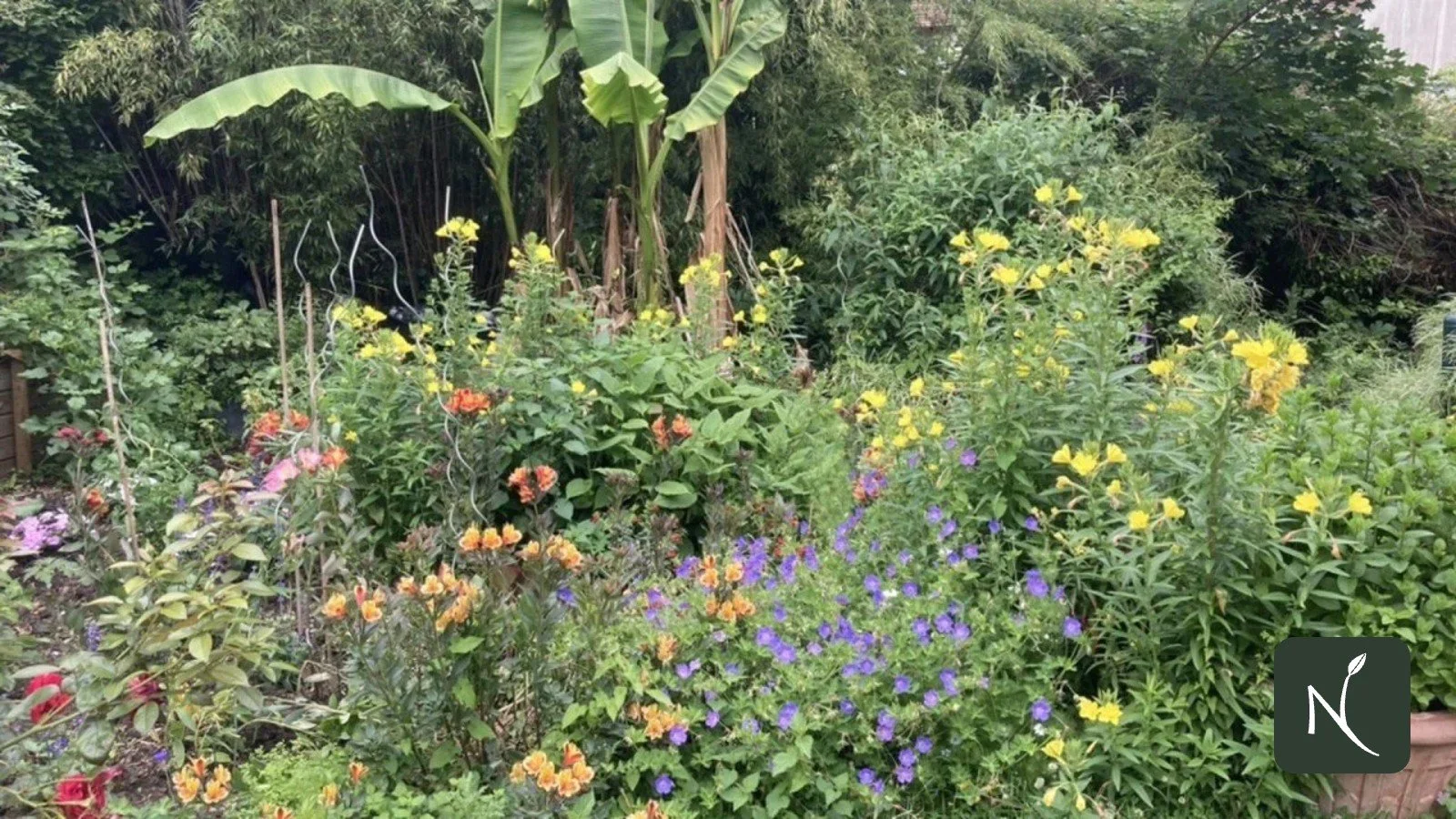
The pacts of the soil, part two
Plants, fungi and bacteria, from the vegetable plot to the street tree. Water, nitrogen, bacteria, and what a designer does with them.
Les pactes du sol, seconde partie
Des plantes, des champignons et des bactéries, du potager à l’arbre de rue. L’eau, l’azote, les bactéries, et ce qu’un concepteur en fait.
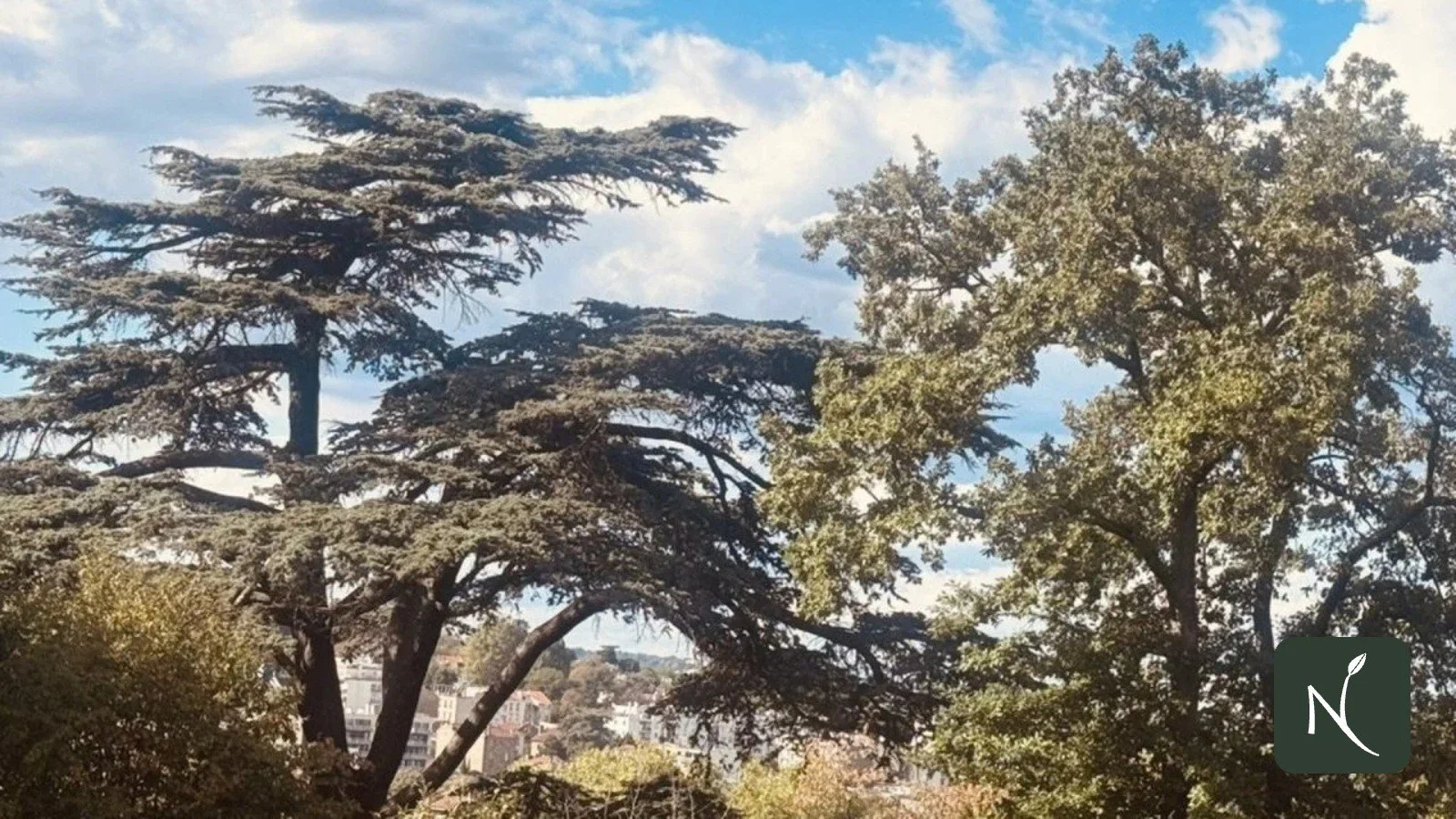
The pacts of the soil, part one
Plants, fungi and bacteria, from the vegetable plot to the street tree. Three networks, one soil, and the band that decides everything.
Les pactes du sol, première partie
Des plantes, des champignons et des bactéries, du potager à l’arbre de rue. Trois réseaux, un sol, et la bande qui décide de tout.
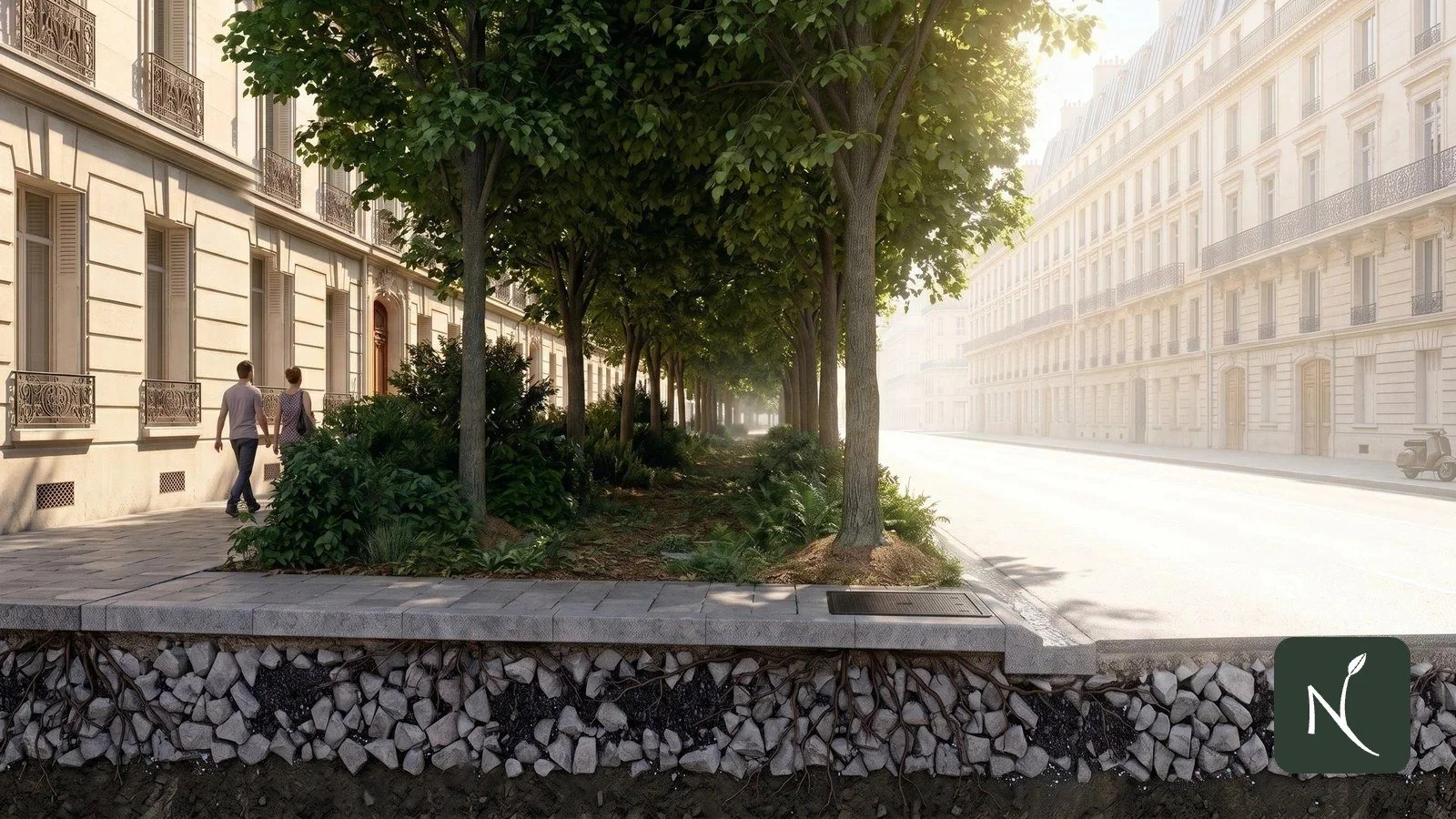
Heat in the city: the solution lies under your trees
Cooling a town with the water it sends down the drain. New plantings, existing trees, roundabouts, facades and buildings on clay: what your departments can do from the very next works.
Chaleur en ville : la solution est sous vos arbres
Rafraîchir une commune avec l’eau qu’elle envoie à l’égout. Nouvelles plantations, arbres existants, ronds-points, façades et bâtiments sur argile : ce que vos services peuvent faire dès le prochain chantier.
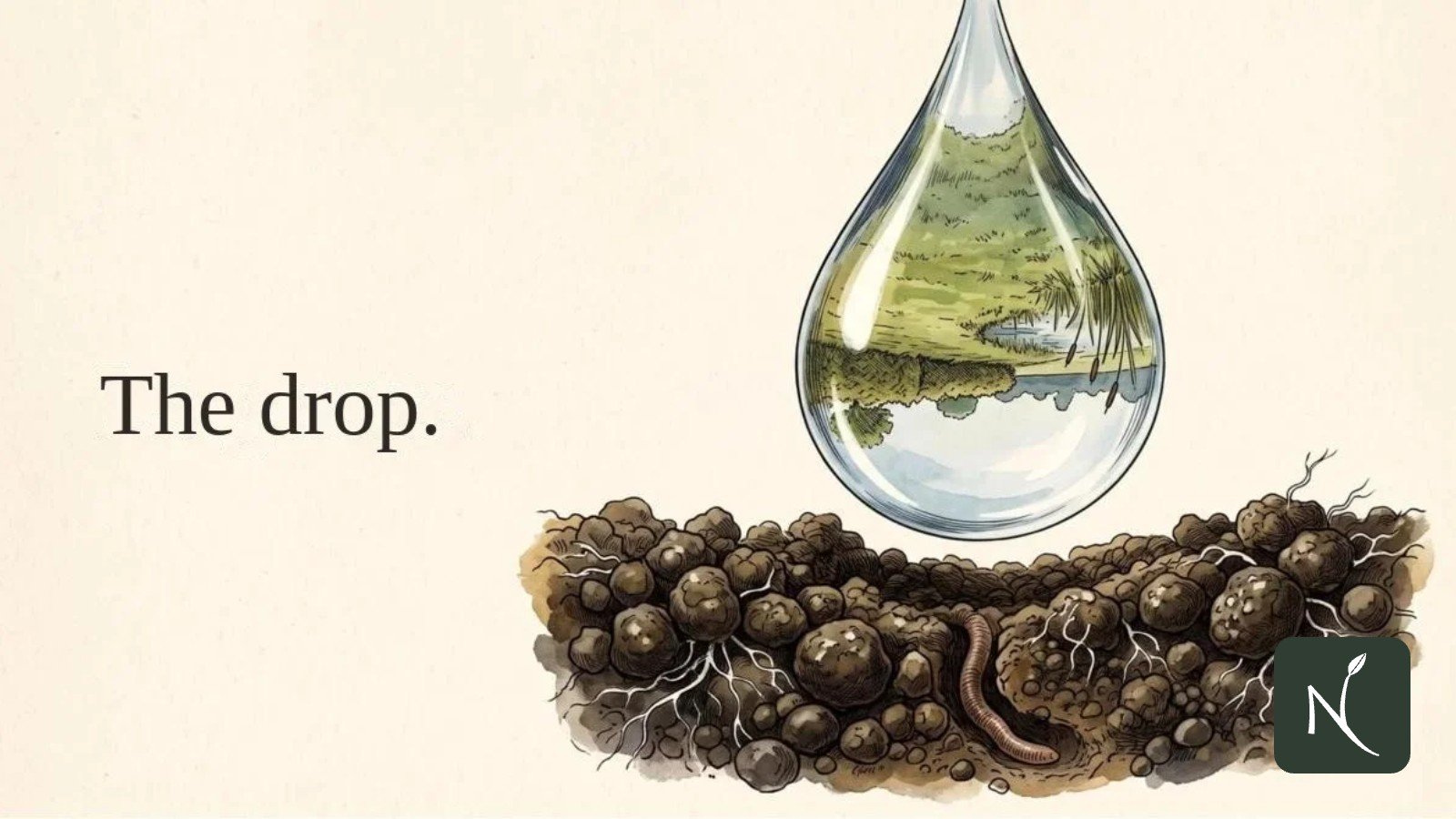
The drop
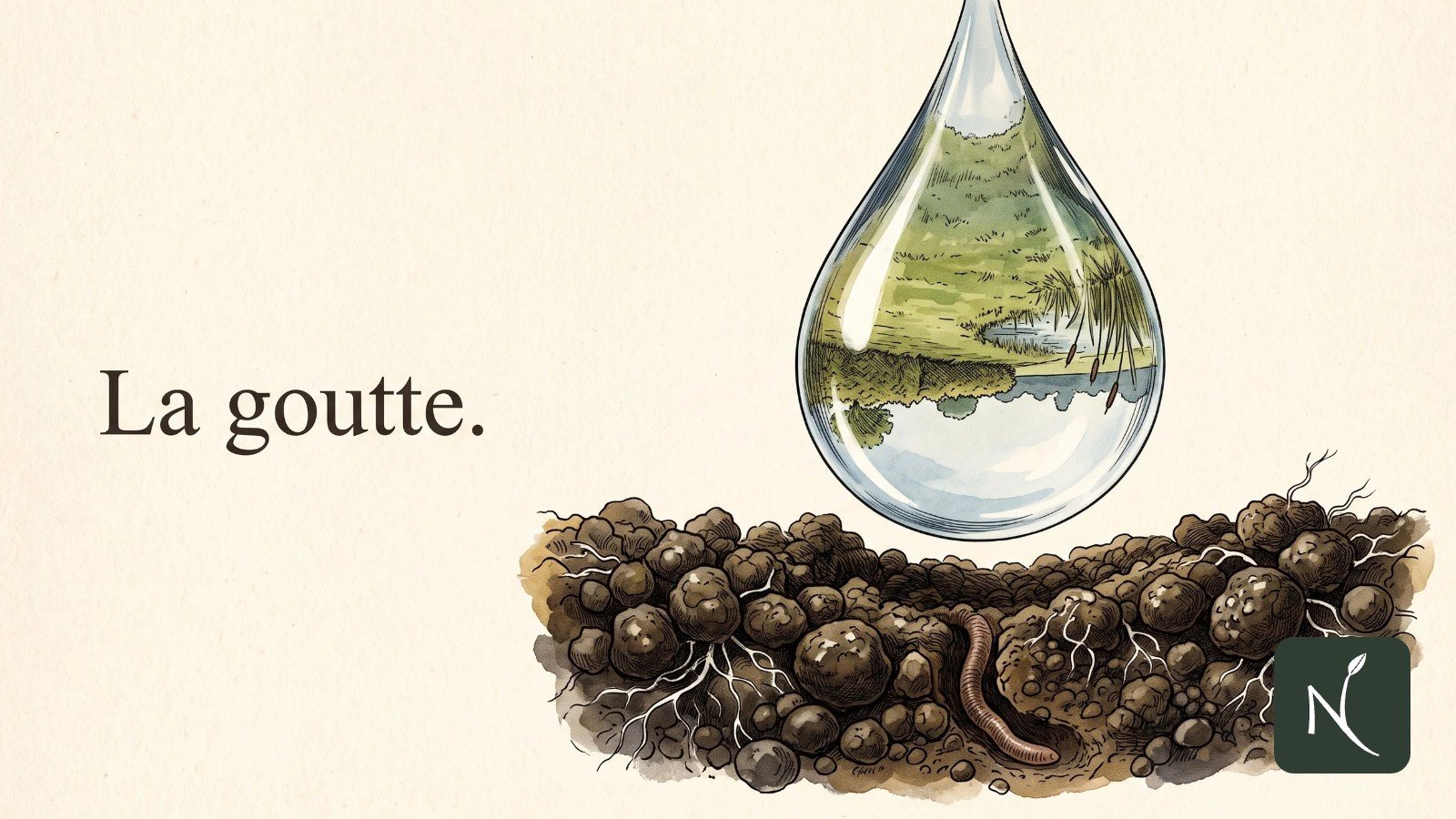
Why does the same rain vanish into a meadow and run off a field? This fifth episode of the Water series follows a single drop, from the cloud to the water table, and names one by one the living things it meets on the way: the leaf, the litter fungus, the earthworm, the root, the mycorrhizal fungus, the bacterium. It also follows it on ploughed soil, on a car park, in the city and in a wetland, rediscovers what an agronomist from Seville wrote about it in the twelfth century, and ends with five simple tests to find out what the drop meets on your land.
La goutte
Pourquoi la même pluie disparaît-elle dans un pré et ruisselle-t-elle sur un champ ? Cet épisode 5 de la série Eau suit une seule goutte, du nuage jusqu’à la nappe, et nomme un par un les êtres vivants qu’elle rencontre en chemin : la feuille, le champignon de la litière, le ver de terre, la racine, le champignon mycorhizien, la bactérie. Il la suit aussi sur un sol labouré, sur un parking, en ville et dans une zone humide, retrouve ce qu’un agronome de Séville en avait écrit au XIIe siècle, et se termine par cinq gestes simples pour savoir ce que la goutte rencontre chez vous.
Nitrogenase, the key to nitrogen, the key to our survival
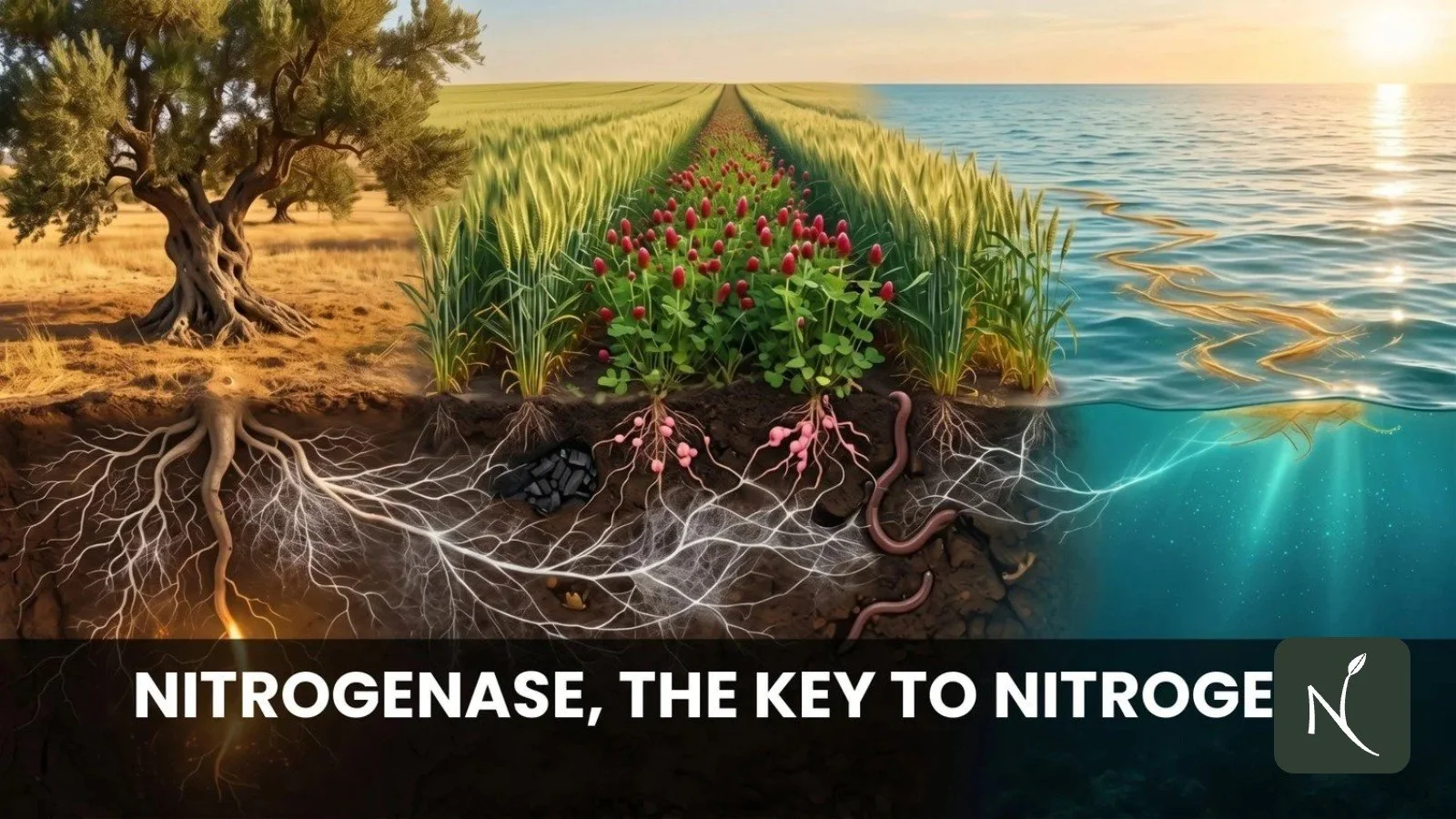
An enzyme four billion years old breaks the triple bond of nitrogen and feeds everything that lives. How synthetic fertiliser and the plough put out this forge, and how to relight it in our soils.
La nitrogénase, la clef de l’azote, la clef de notre survie
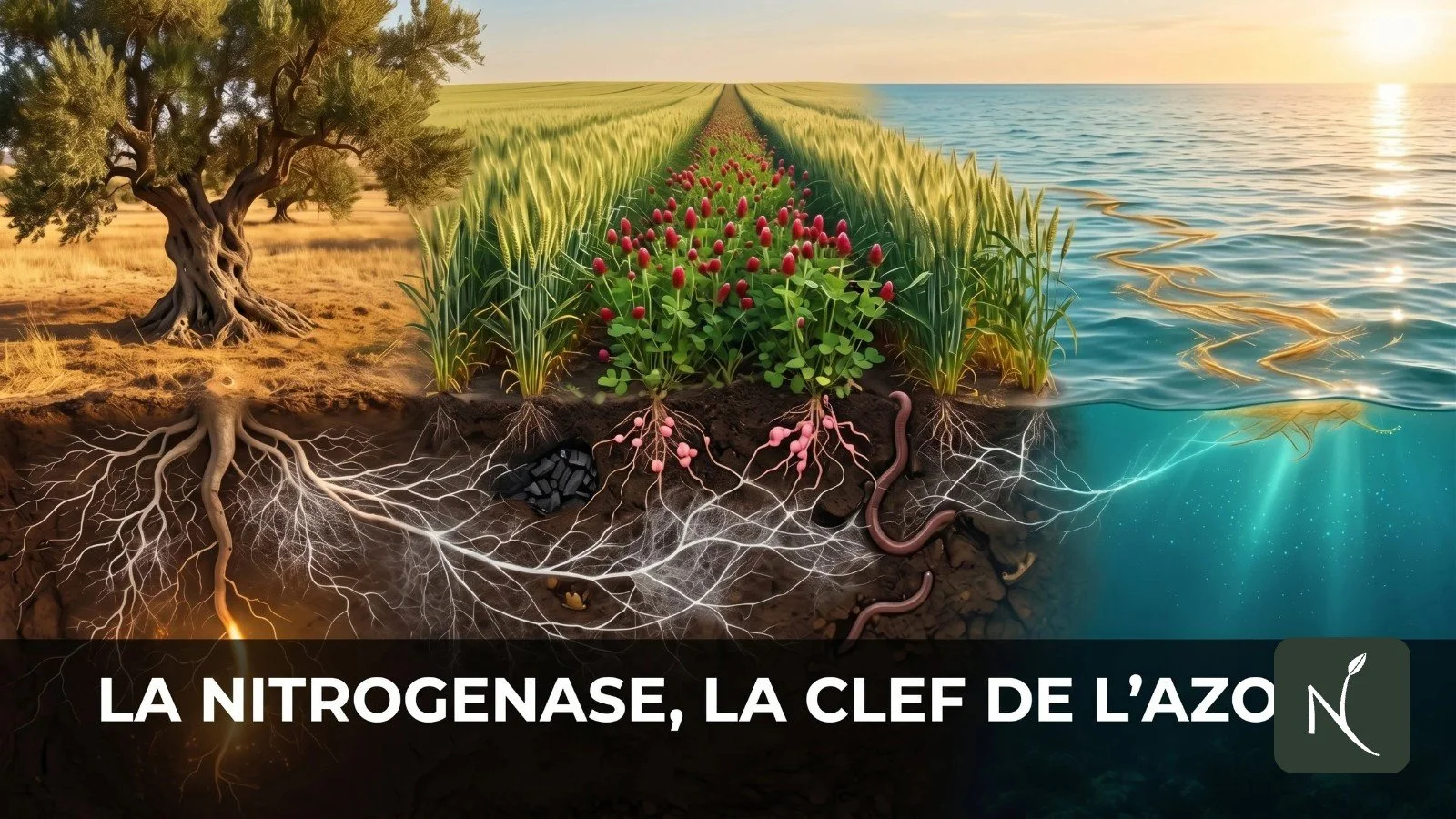
Une enzyme vieille de quatre milliards d’années casse la triple liaison de l’azote et nourrit tout ce qui vit. Comment l’engrais de synthèse et la charrue éteignent cette forge, et comment la rallumer dans nos sols.
The Green Revolution of the 21st Century
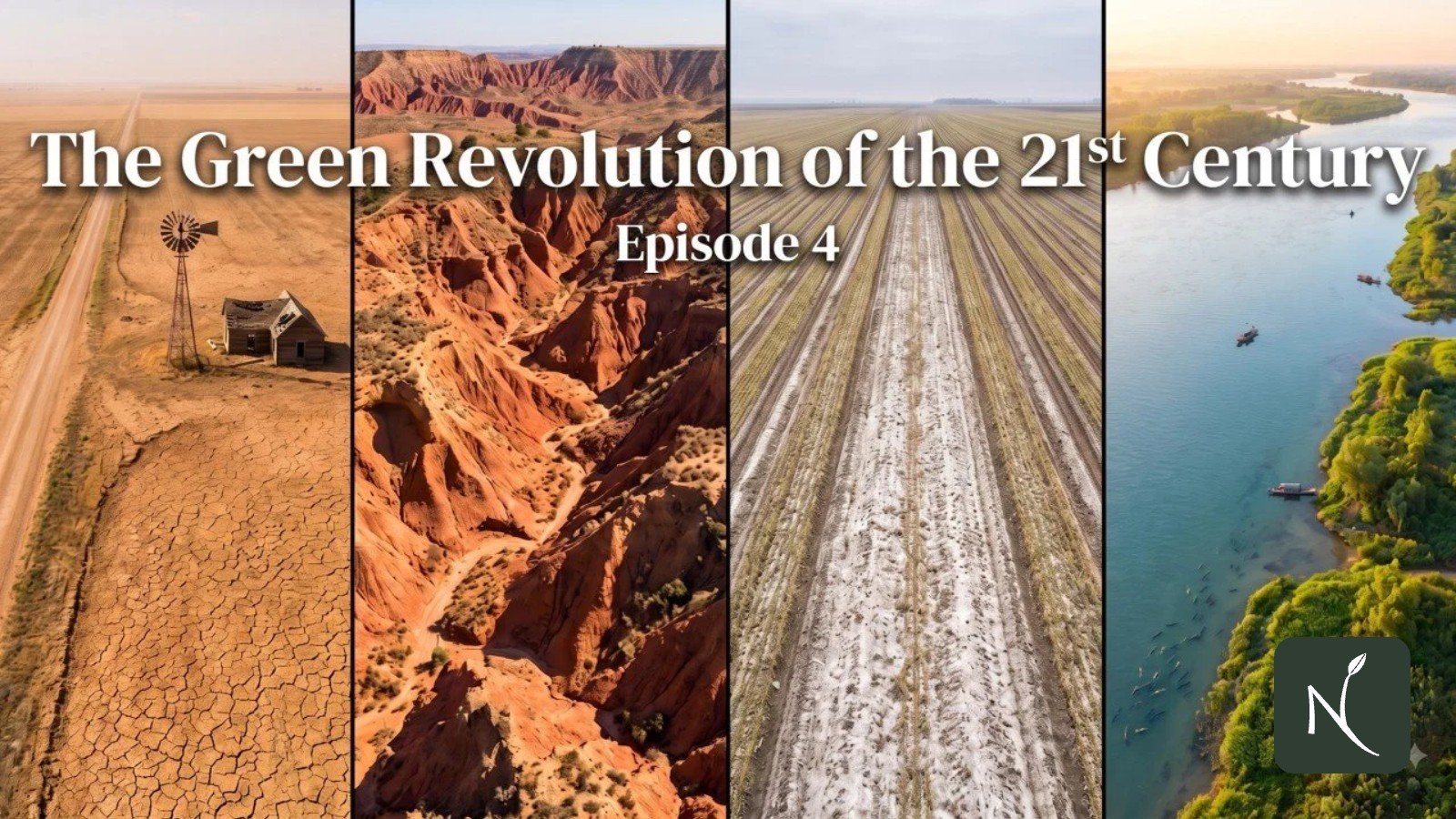
France, Spain, the United States, China: what the comparison teaches us about the real profits to be made.
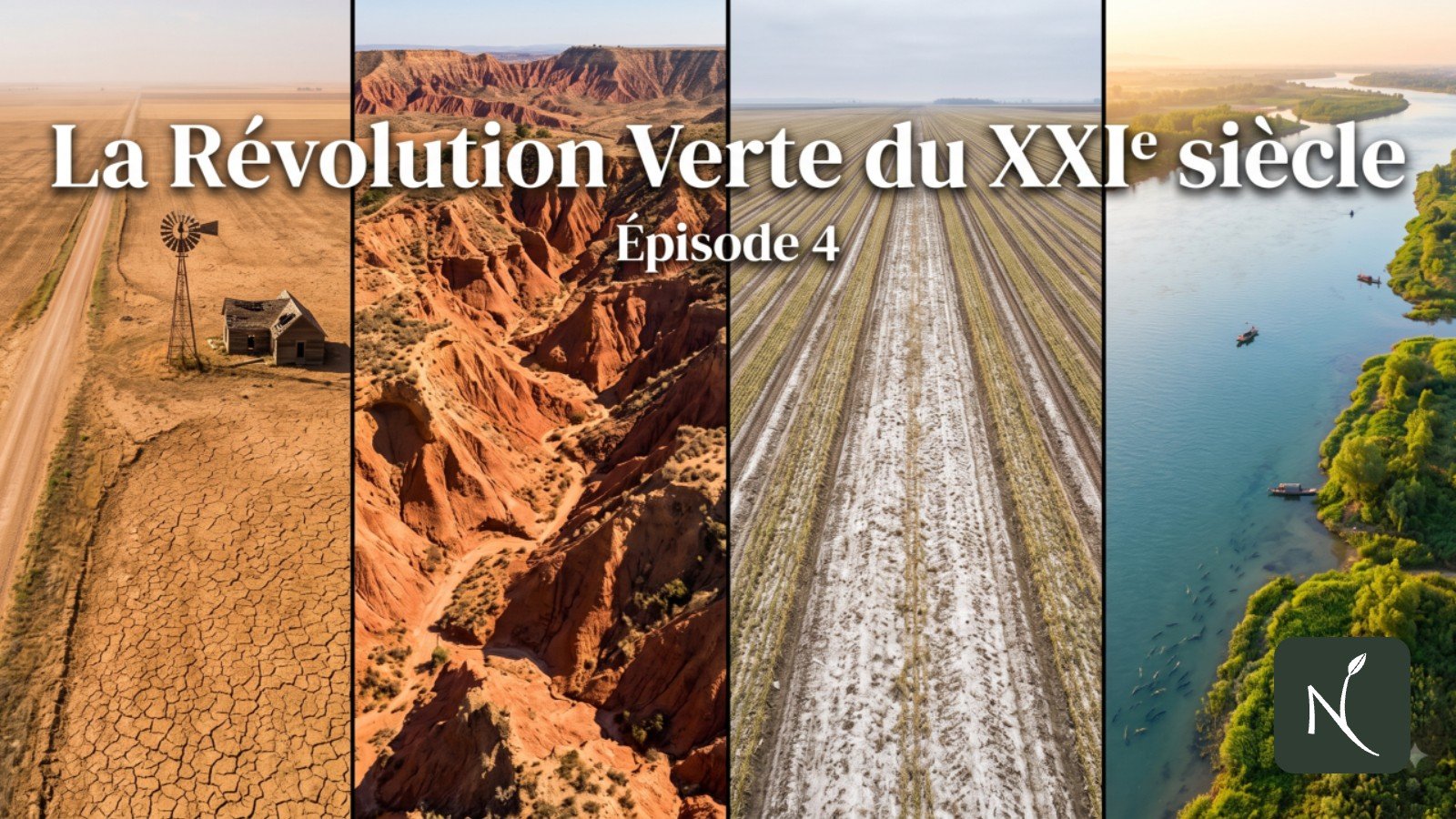
La Révolution Verte du XXIe siècle
France, Espagne, États-Unis, Chine : ce que la comparaison nous enseigne sur les vrais profits à faire.
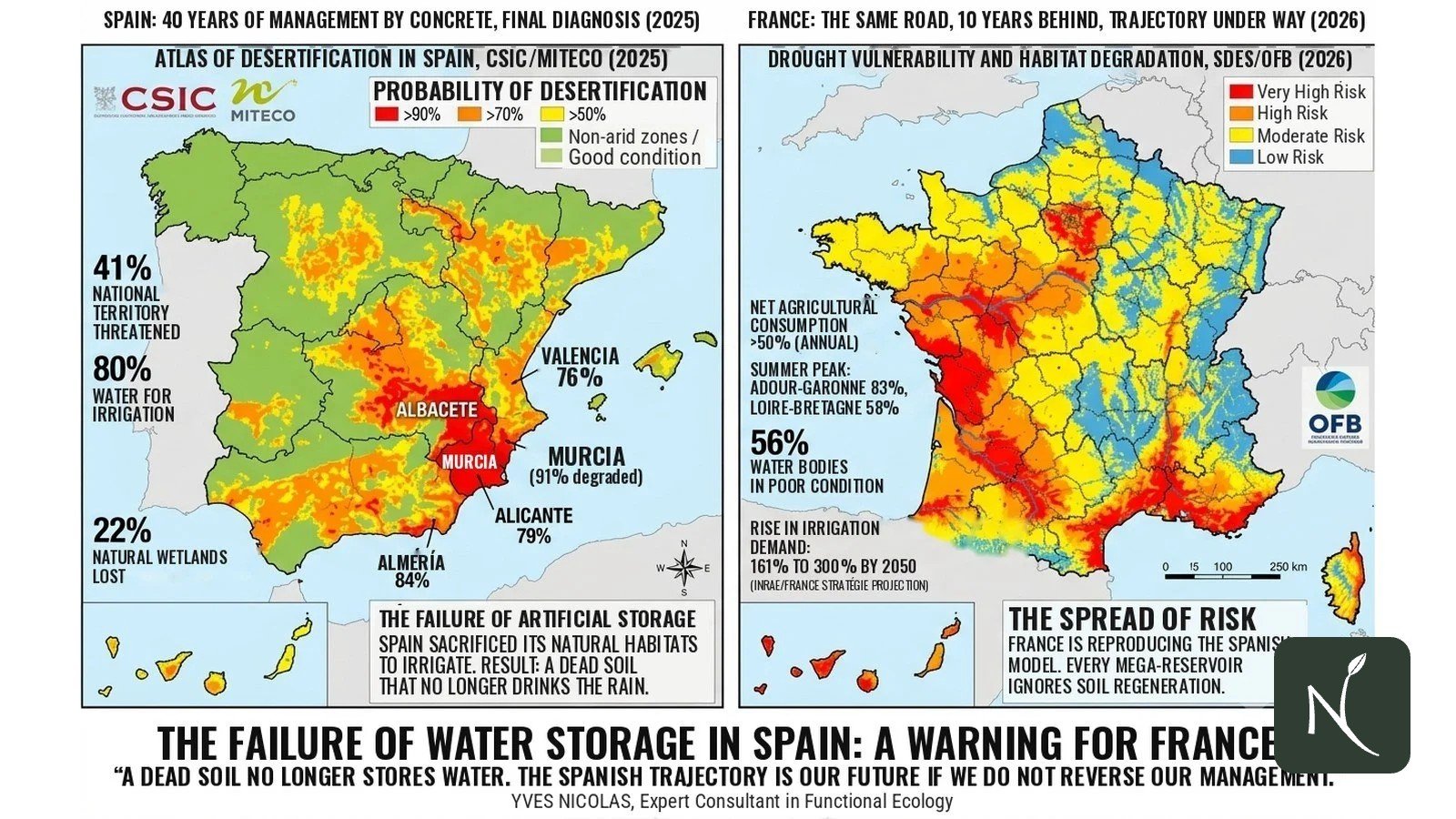
The water we steal from the land. Spain vs France: the same road, ten years apart
What Spain took forty years to measure, and what France still refuses to read: irrigation, wetlands, aquifers and food security.
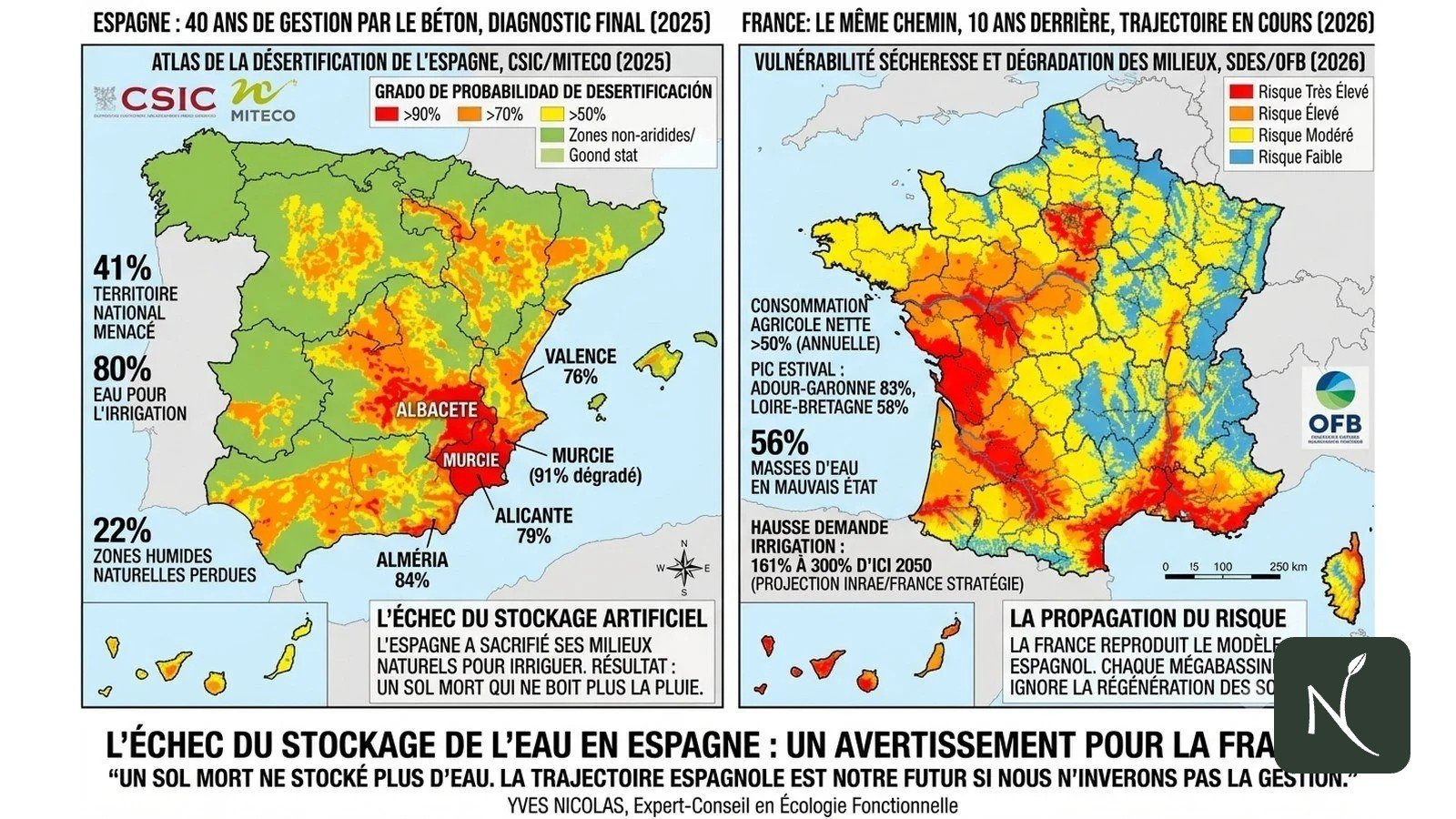
L’eau que nous volons à la terre. Espagne vs France : le même chemin, dix ans d’écart
Ce que l’Espagne a mis quarante ans à mesurer, et ce que la France refuse encore de lire : irrigation, zones humides, nappes et sécurité alimentaire.
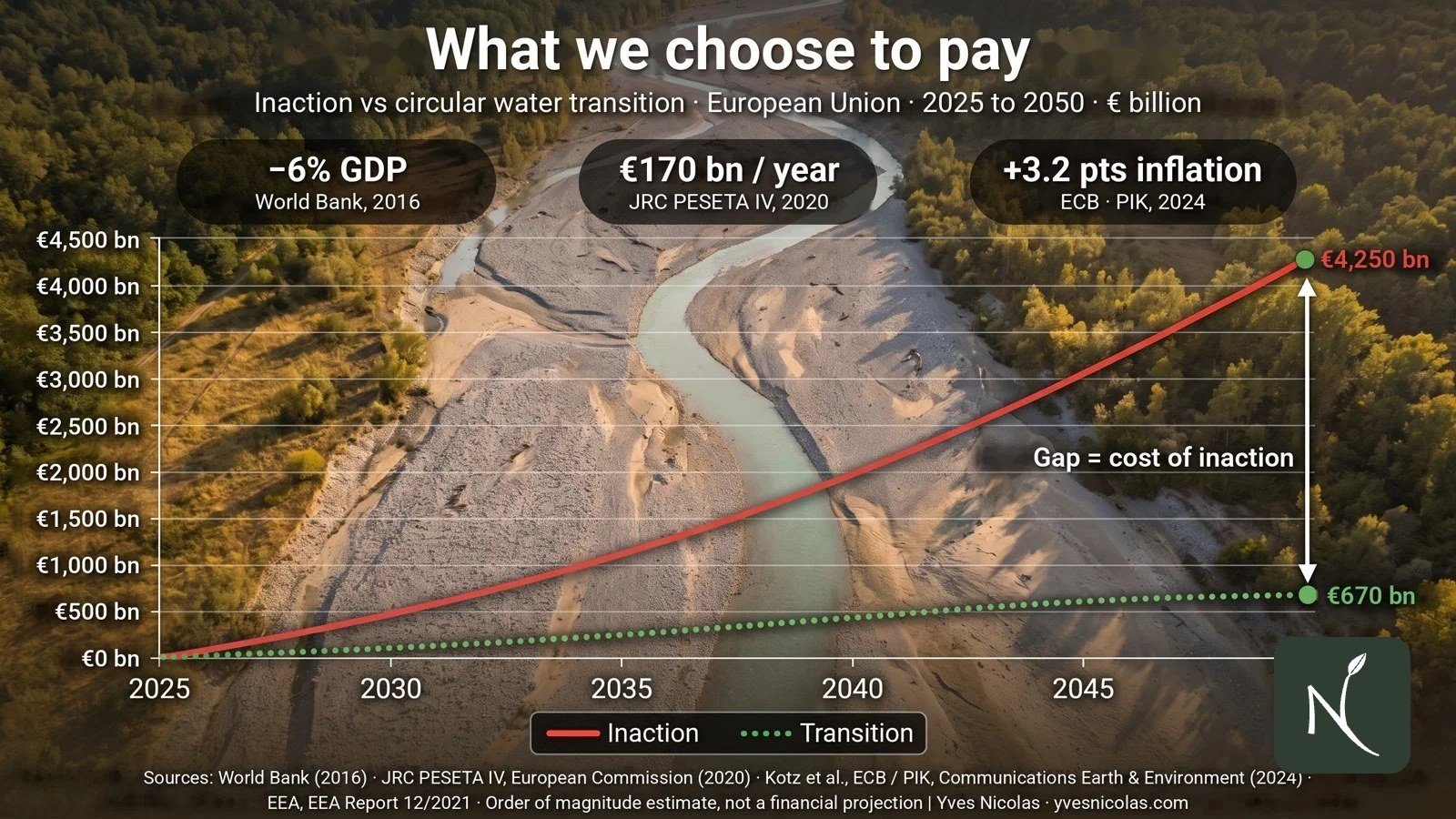
Water and sovereignty: France’s next great industrial project
1,373 small watercourses run dry, 11.5 million m3 of wastewater discharged every day: moving from dissipation to cycle, through living systems, is France’s next great project.
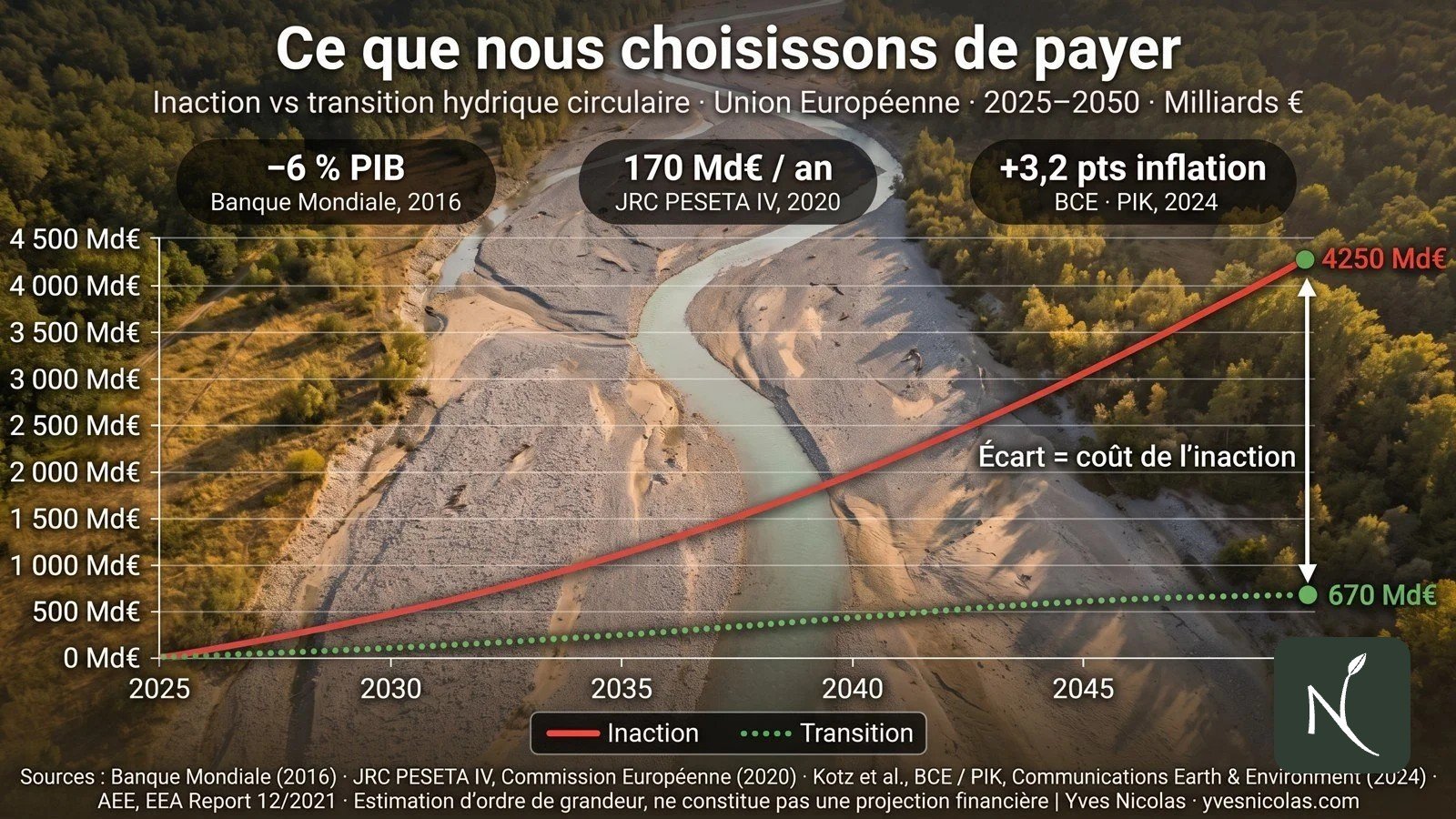
Eau et Souveraineté : le prochain grand chantier industriel français
1 373 petits cours d’eau à sec, 11,5 millions de m3 d’eaux usées rejetées chaque jour : passer de la dissipation au cycle, par le vivant, est le prochain grand chantier français.
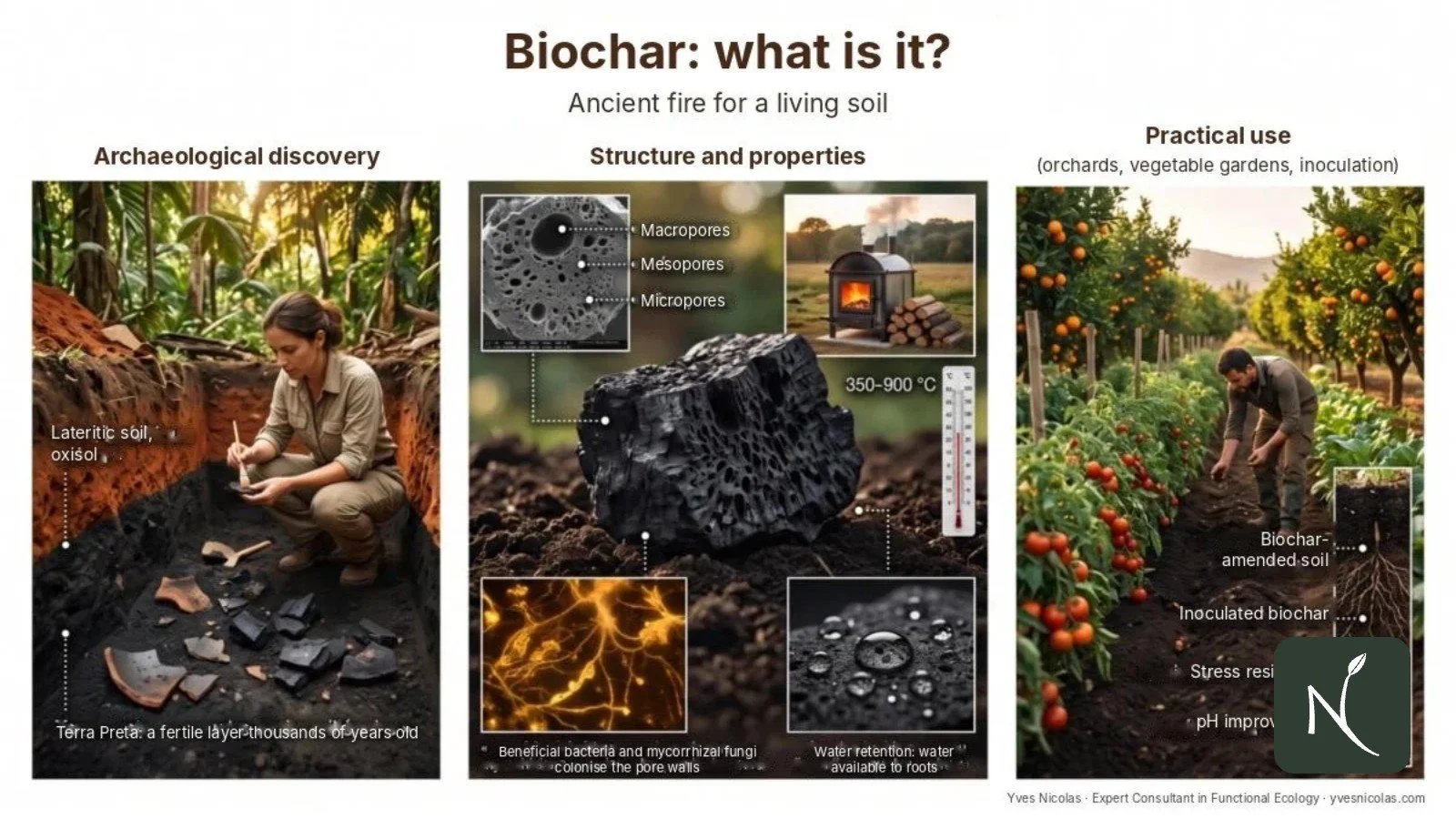
Biochar: what is it?
An Amazonian soil still black and fertile after two thousand years, a plant charcoal that bacteria cannot digest, and microsites where nitrogen fixation can start up again. Here is what biochar is, how it is made, how it is inoculated before being buried, and what it does not do.
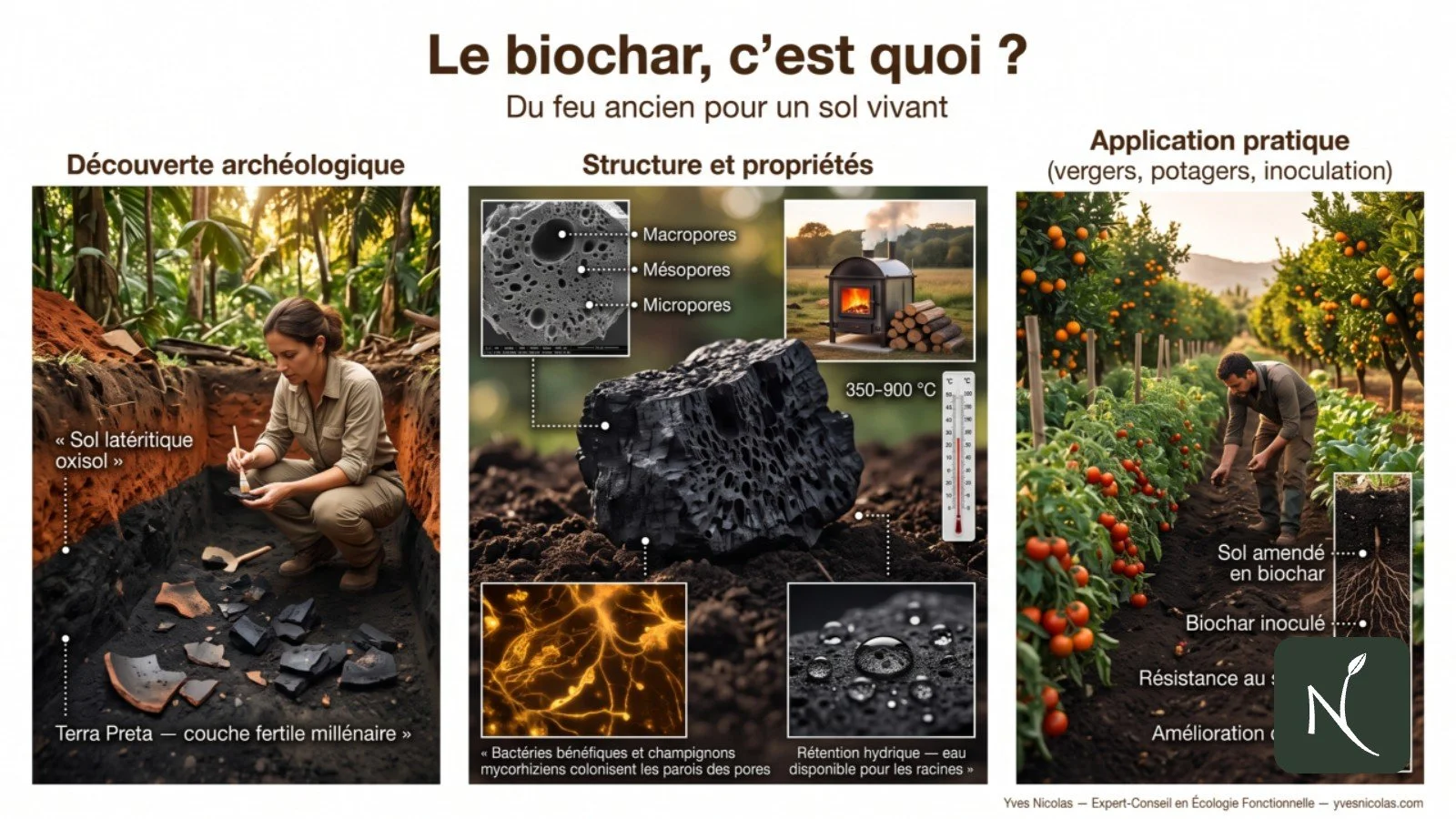
Le biochar, c'est quoi ?
Un sol amazonien encore noir et fertile après deux mille ans, un charbon végétal que les bactéries ne savent pas digérer, et des microsites où la fixation de l'azote peut redémarrer. Ce qu'est le biochar, comment on l'inocule avant de l'enfouir, et ce qu'il ne fait pas.
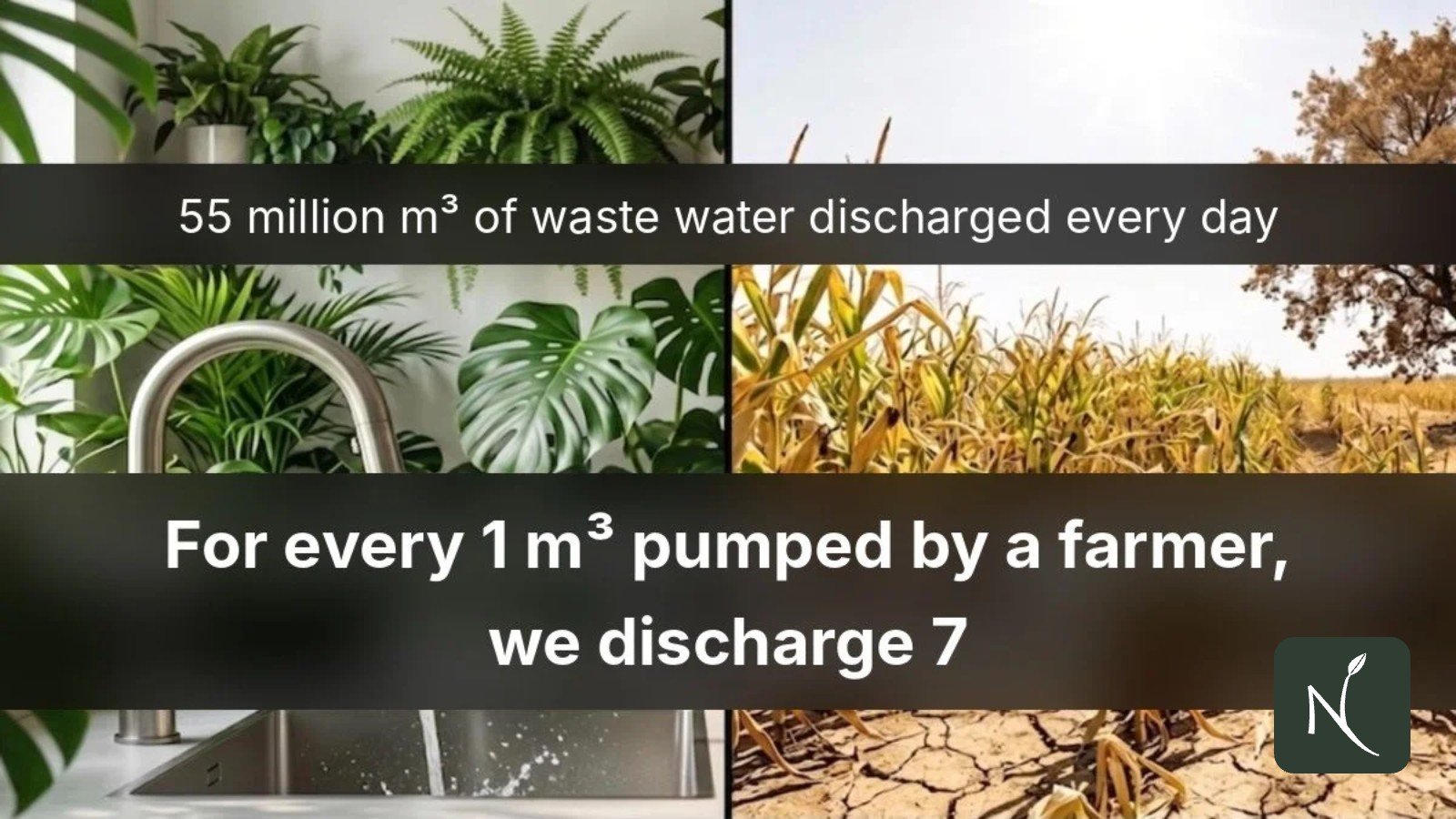
What France really does with its water
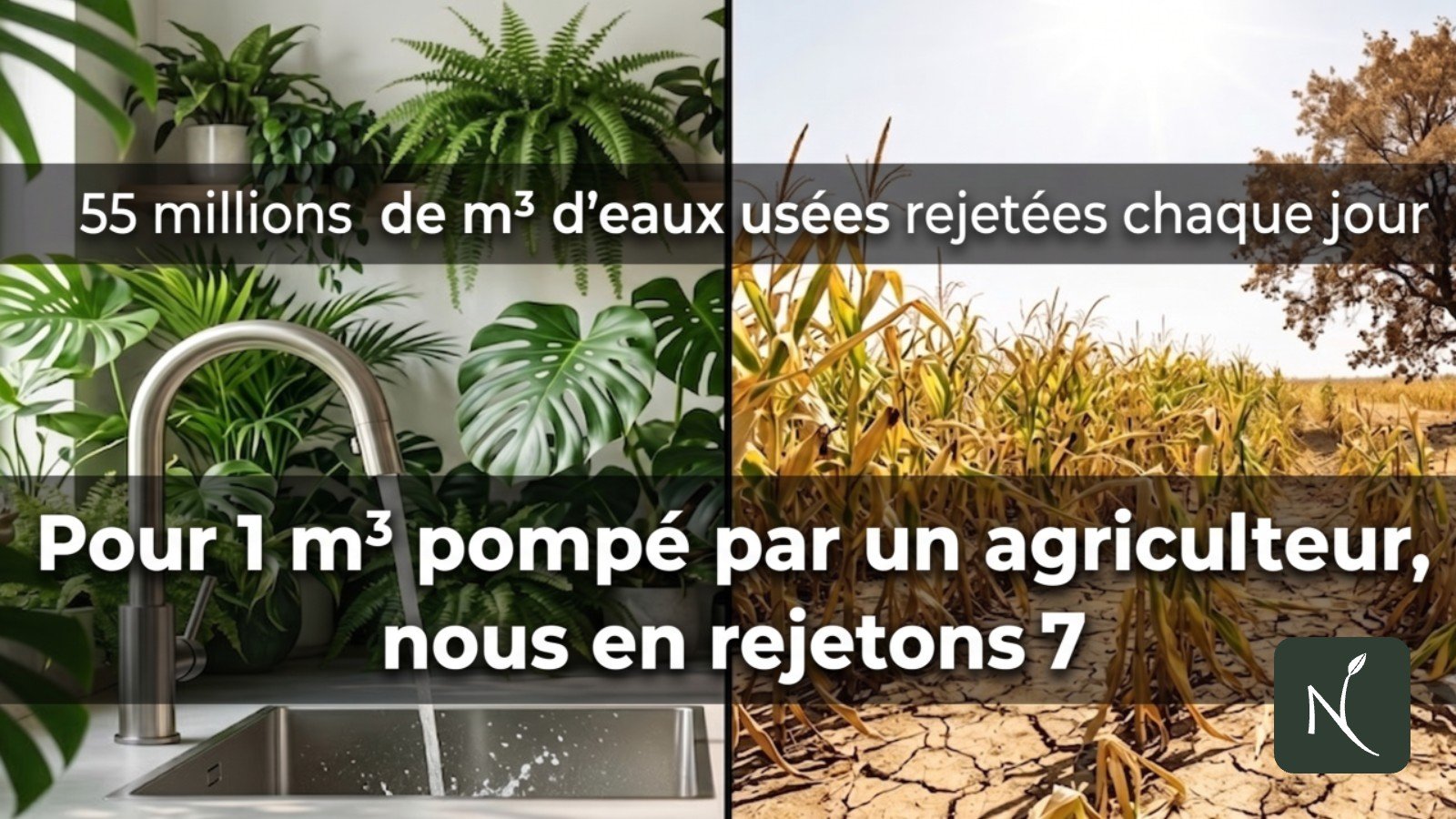
For every cubic metre a farmer pumps from an aquifer, our cities and industries discharge seven into a river. What the French water figures really say, and what we destroyed without seeing it.
Ce que la France fait vraiment de son eau
Pour chaque mètre cube qu’un agriculteur pompe dans une nappe, nos villes et nos industries en rejettent sept dans un fleuve. Ce que disent vraiment les chiffres de l’eau en France, et ce que nous avons détruit sans le voir.