L’écologie fonctionnelle, c’est comprendre les liens étroits qui unissent chaque élément de la nature : le sol, l’eau, le végétal, la faune, les insectes, les bactéries, les champignons.
Ces articles sont une réflexion personnelle, nourrie par une observation sur le terrain, les mains dans la terre, et appuyée sur des sources que je cite à la fin de chaque texte. Chacun part d’un constat fait sur un chantier, dans un jardin ou dans une commune, puis remonte jusqu’aux liens qui l’expliquent.
Ils s’adressent aux élus et aux services techniques, aux paysagistes et aux agriculteurs, comme aux particuliers qui veulent comprendre ce qui se passe sous leurs pieds. Chaque article est ouvert aux commentaires et à l’analyse contradictoire, du moment qu’elle est constructive. Vos commentaires sont une source importante : ils me permettent d’adapter mes articles pour qu’ils soient compris de chacun.
Chaque article se télécharge en PDF. Le bouton « Télécharger l’article en PDF » se trouve en haut de chaque article en français ; pour les articles traduits, la version anglaise a le sien, « Download the article as PDF ».
Functional ecology means understanding the close links that bind every element of nature together: soil, water, plants, animals, insects, bacteria, fungi.
These articles are a personal reflection, drawn from observation in the field, hands in the soil, and supported by sources that I cite at the end of each text. Each one starts from something seen on a work site, in a garden or in a town, then traces back the links that explain it.
They are written for elected officials and technical departments, landscape architects and farmers, as well as for anyone who wants to understand what is happening beneath their feet. Every article is open to comments and to critical discussion, as long as it is constructive. Your comments matter: they help me adapt my articles so that everyone can understand them.
Every article can be downloaded as a PDF. Articles in English have a “Download the article as PDF” button at the top; the French versions have their own, “Télécharger l’article en PDF”.
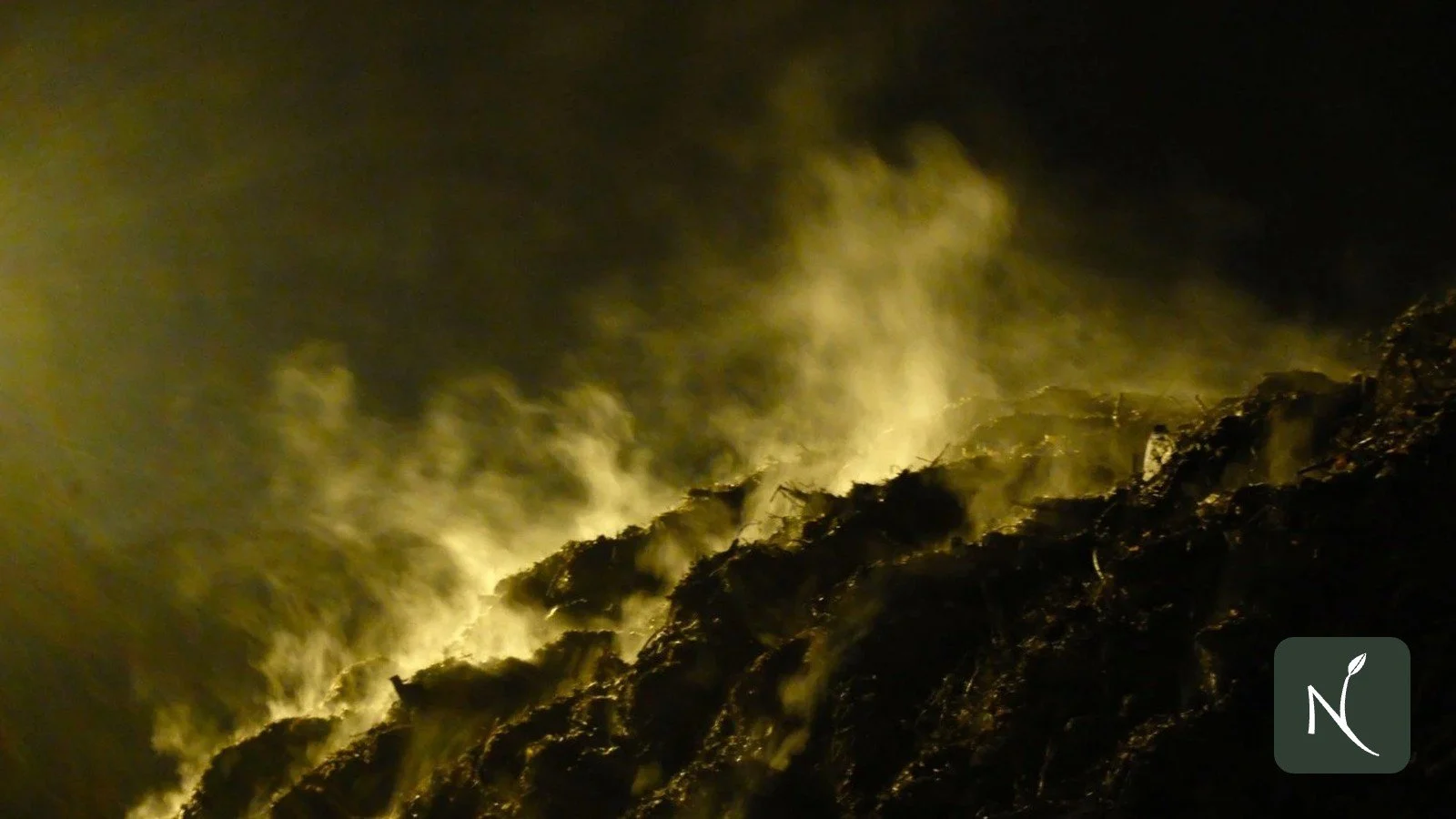
Fertility Sleeps in Your Branches
Shredded wood is neither a fertiliser nor a waste: it is a meal offered to the fungi that build soil. What sets RCW apart from ordinary wood chips, how to pre-compost and inoculate it, how thick to lay it for each climate, and what more than a hundred trials say, from Quebec to the Sahel and Morocco.
La fertilité dort dans vos branches
Le bois broyé n’est ni un engrais ni un déchet : c’est un repas offert aux champignons qui fabriquent la terre. Ce qui sépare le BRF du broyat ordinaire, comment le précomposter et l’inoculer, quelle épaisseur poser selon le climat, et ce que disent plus de cent essais, du Québec au Sahel et au Maroc.
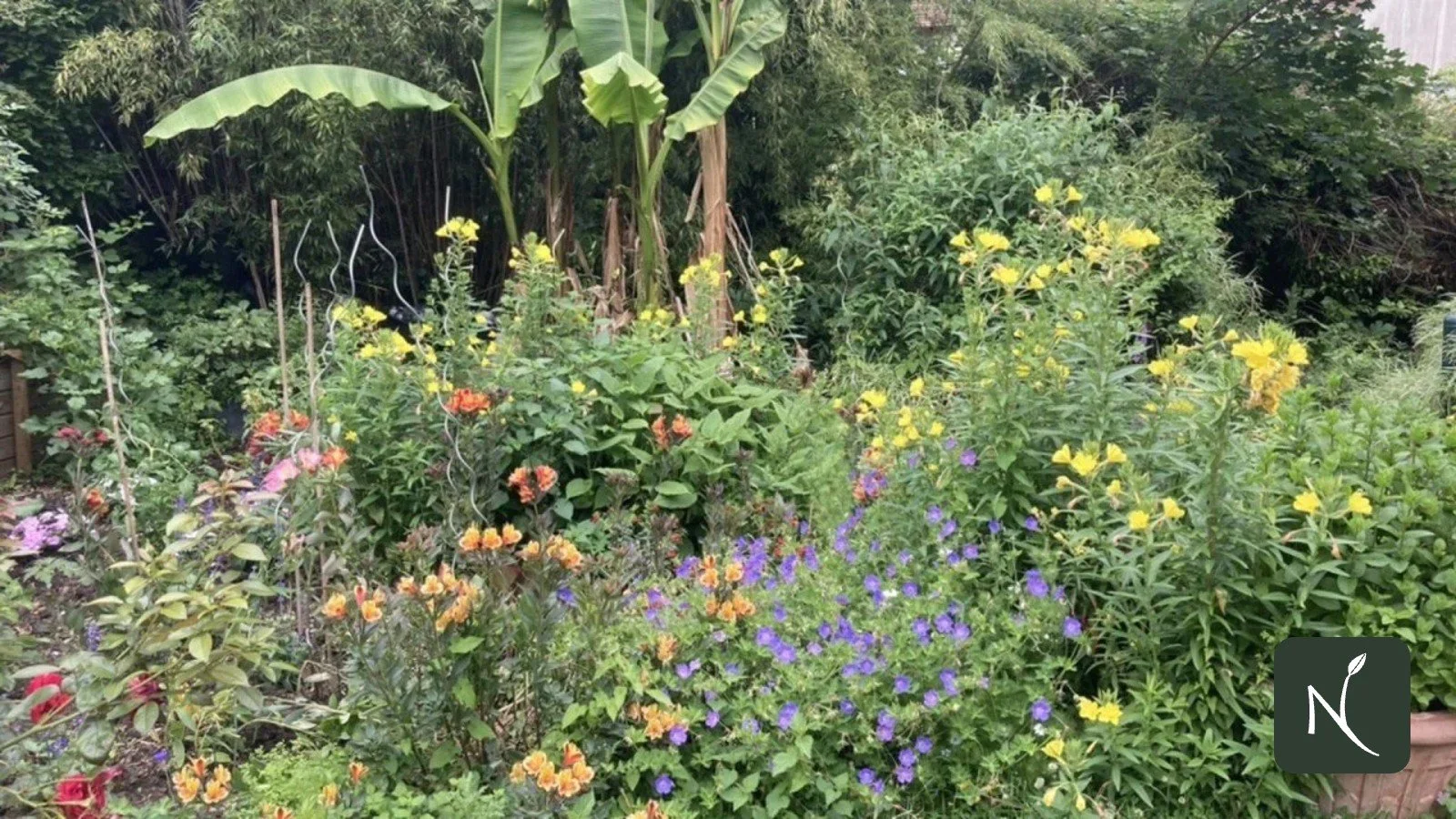
The pacts of the soil, part two
Plants, fungi and bacteria, from the vegetable plot to the street tree. Water, nitrogen, bacteria, and what a designer does with them.
Les pactes du sol, seconde partie
Des plantes, des champignons et des bactéries, du potager à l’arbre de rue. L’eau, l’azote, les bactéries, et ce qu’un concepteur en fait.
The pacts of the soil, part one
Plants, fungi and bacteria, from the vegetable plot to the street tree. Three networks, one soil, and the band that decides everything.
Les pactes du sol, première partie
Des plantes, des champignons et des bactéries, du potager à l’arbre de rue. Trois réseaux, un sol, et la bande qui décide de tout.
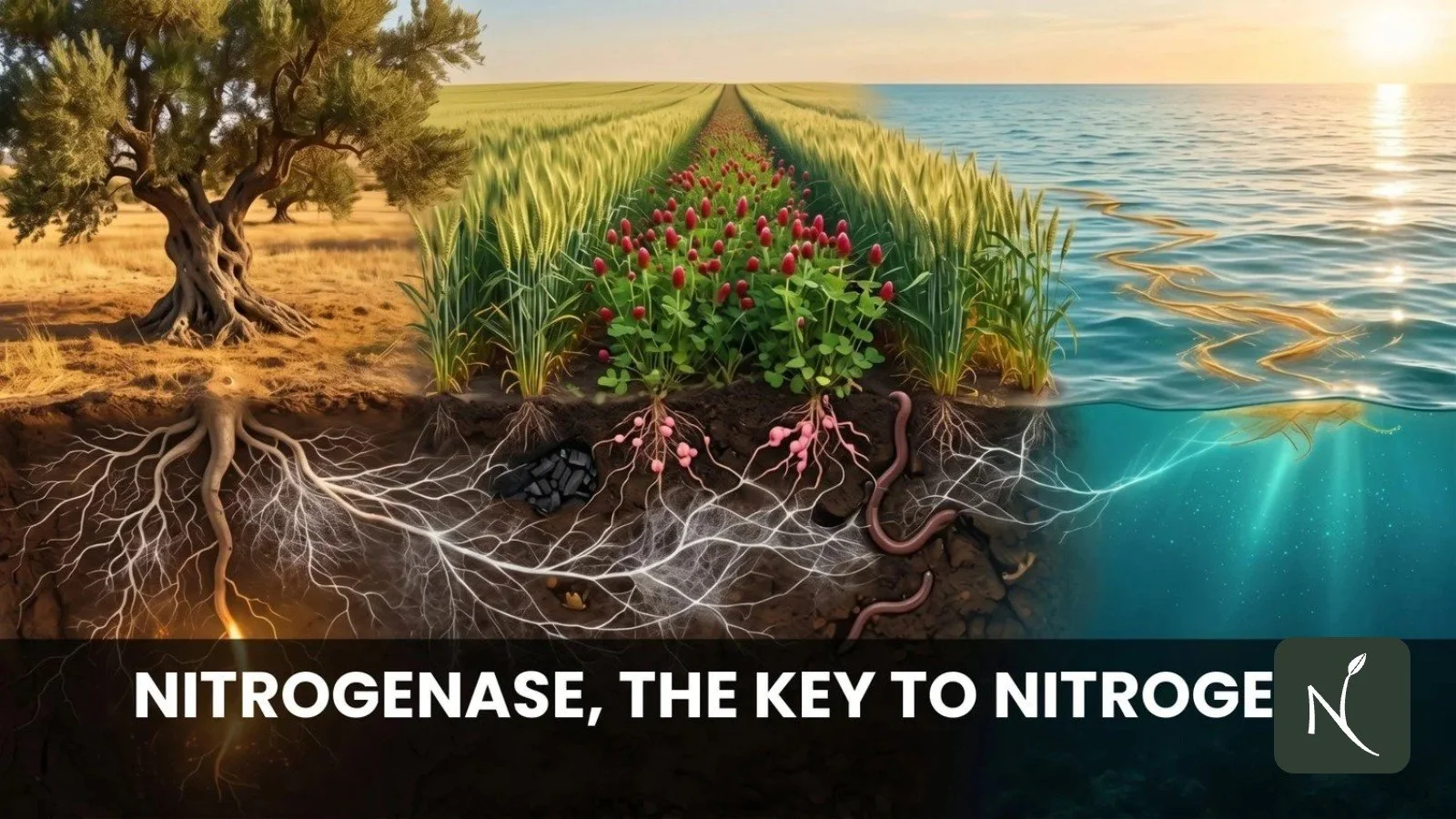
Nitrogenase, the key to nitrogen, the key to our survival
An enzyme four billion years old breaks the triple bond of nitrogen and feeds everything that lives. How synthetic fertiliser and the plough put out this forge, and how to relight it in our soils.
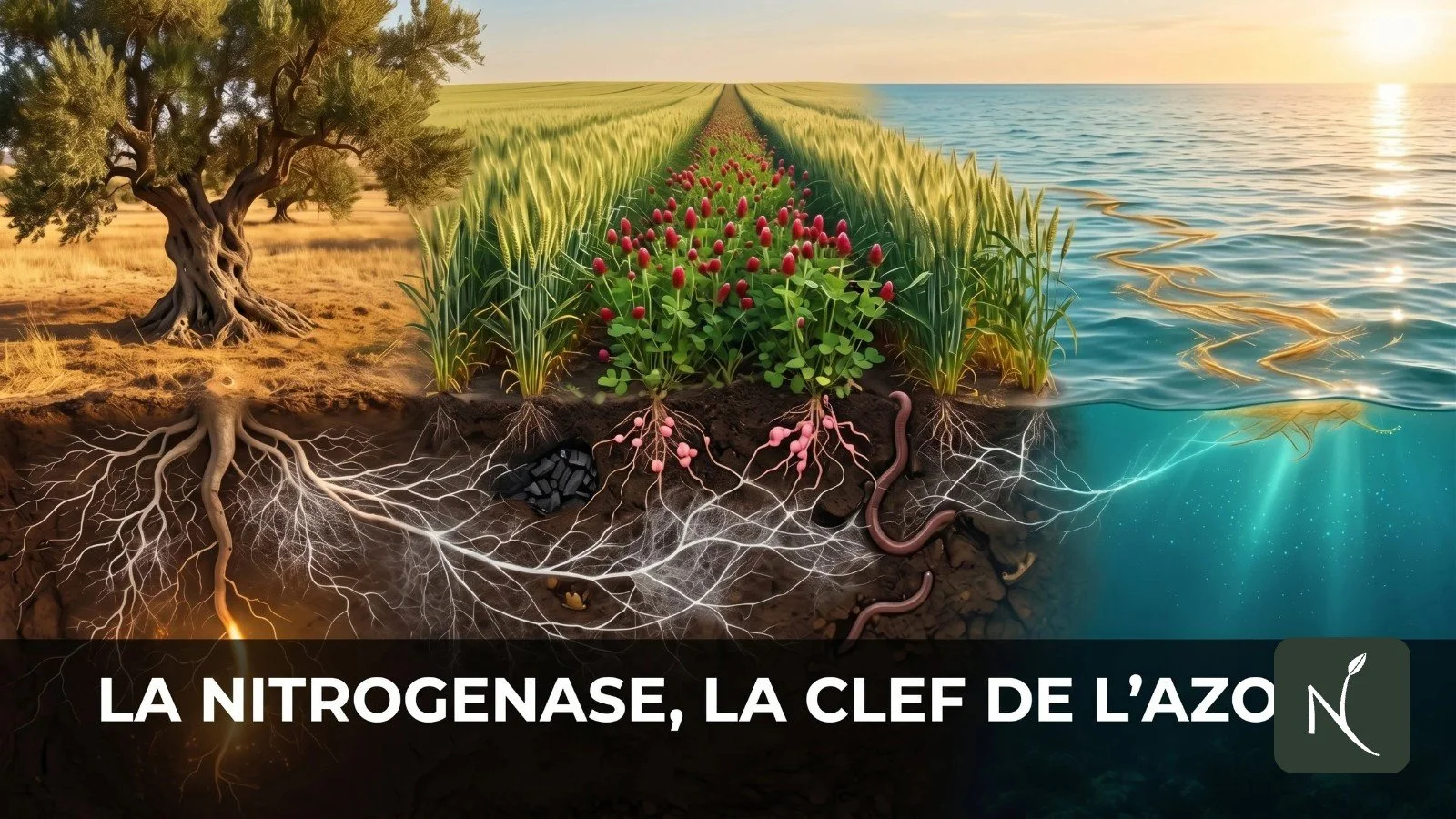
La nitrogénase, la clef de l’azote, la clef de notre survie
Une enzyme vieille de quatre milliards d’années casse la triple liaison de l’azote et nourrit tout ce qui vit. Comment l’engrais de synthèse et la charrue éteignent cette forge, et comment la rallumer dans nos sols.
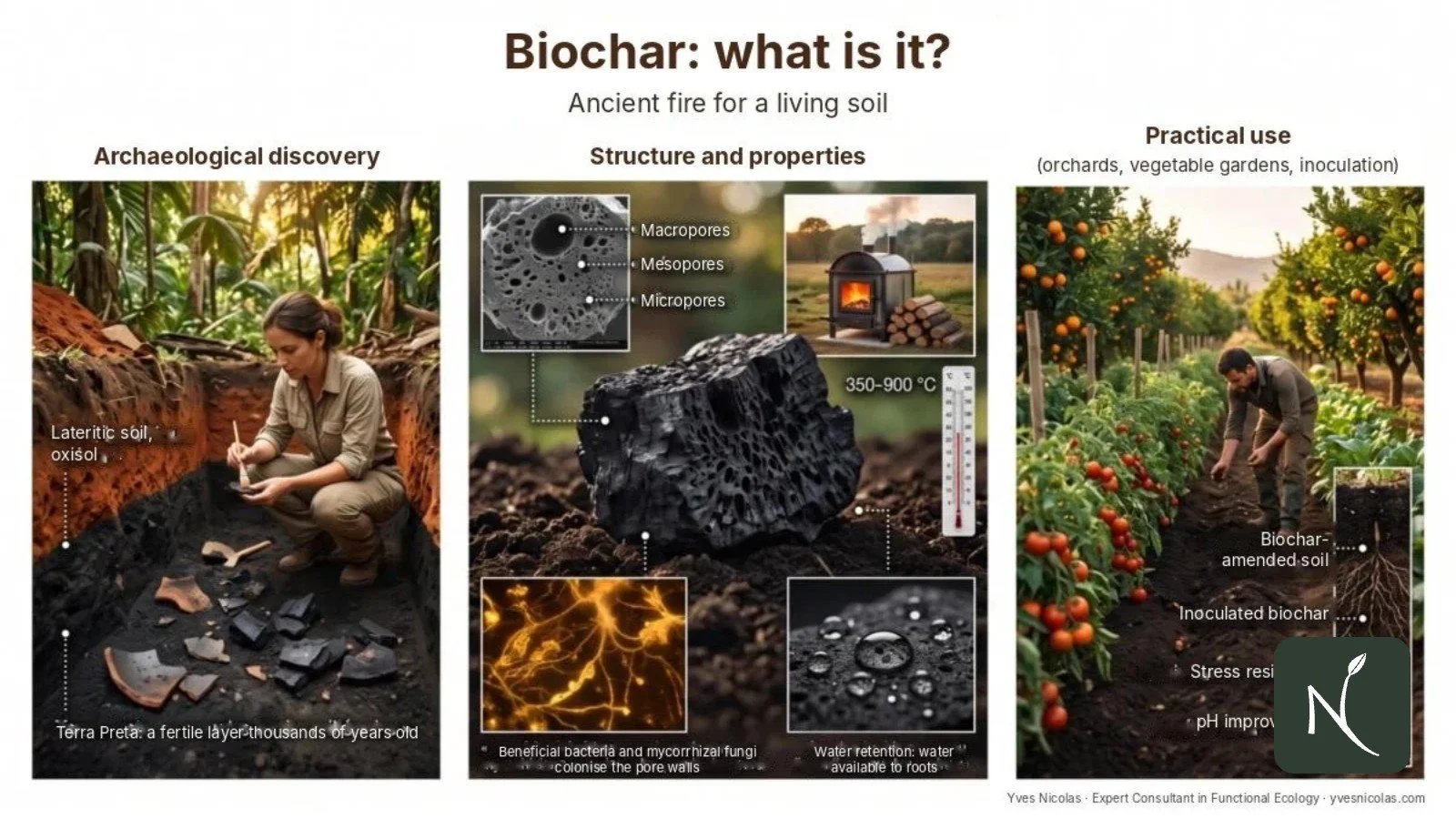
Biochar: what is it?
An Amazonian soil still black and fertile after two thousand years, a plant charcoal that bacteria cannot digest, and microsites where nitrogen fixation can start up again. Here is what biochar is, how it is made, how it is inoculated before being buried, and what it does not do.
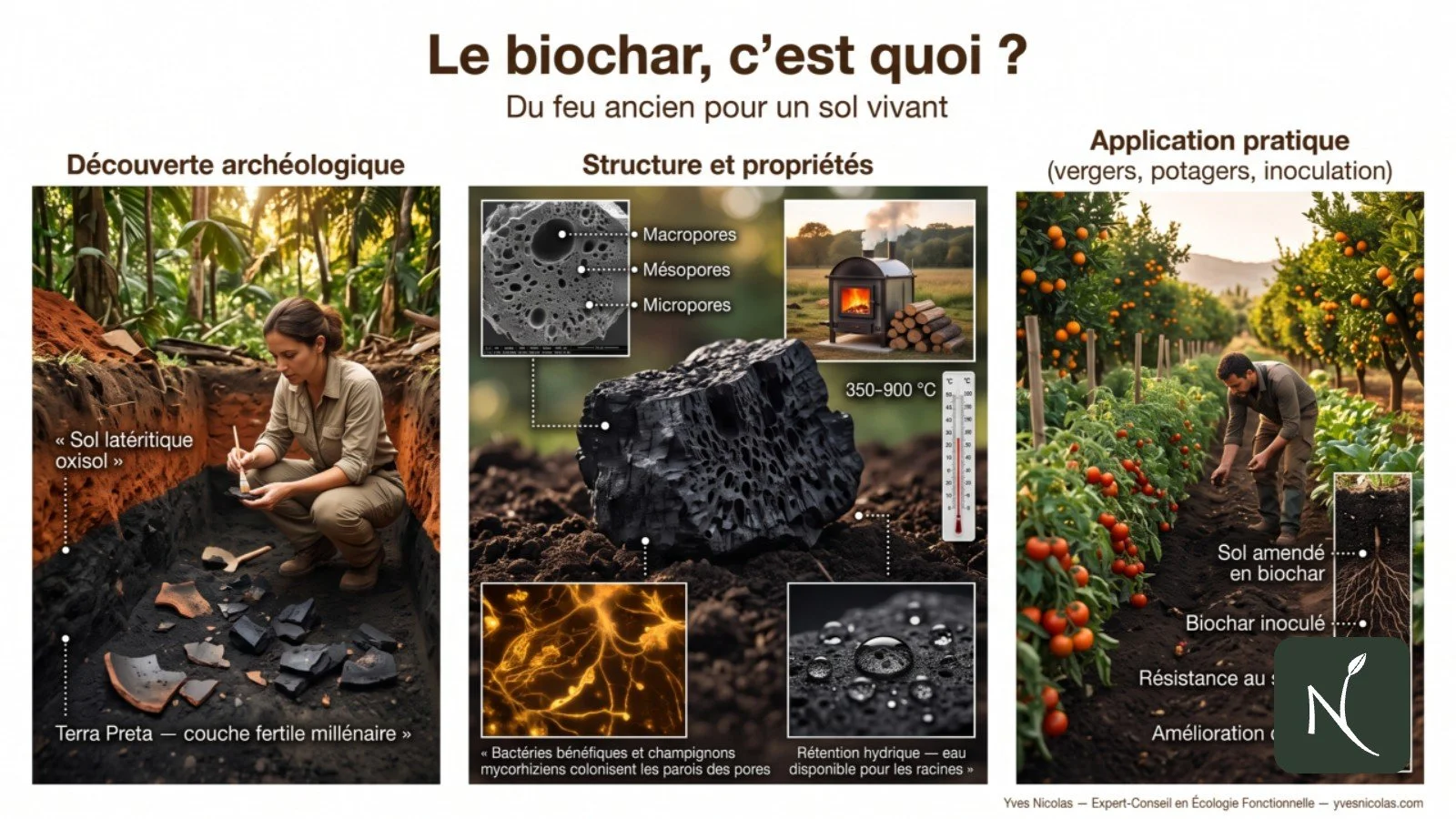
Le biochar, c'est quoi ?
Un sol amazonien encore noir et fertile après deux mille ans, un charbon végétal que les bactéries ne savent pas digérer, et des microsites où la fixation de l'azote peut redémarrer. Ce qu'est le biochar, comment on l'inocule avant de l'enfouir, et ce qu'il ne fait pas.
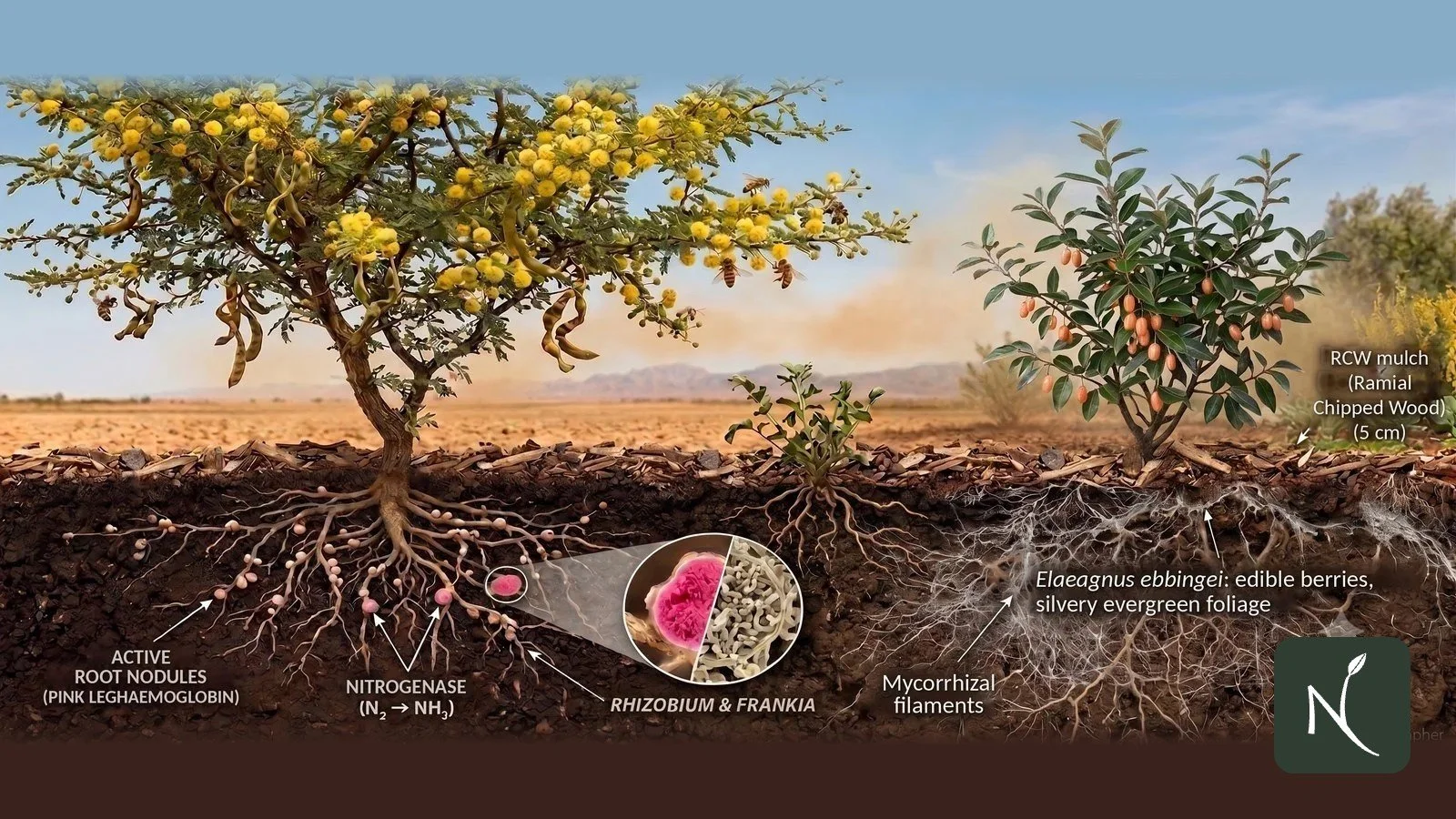
Nitrogen-fixing shrubs: the nitrogen factory you have not planted yet?
Black locust, alder, sea buckthorn, Elaeagnus, acacias: shrubs that make their own nitrogen, feed the soil and give first-class ramial chipped wood, in France as in Morocco.
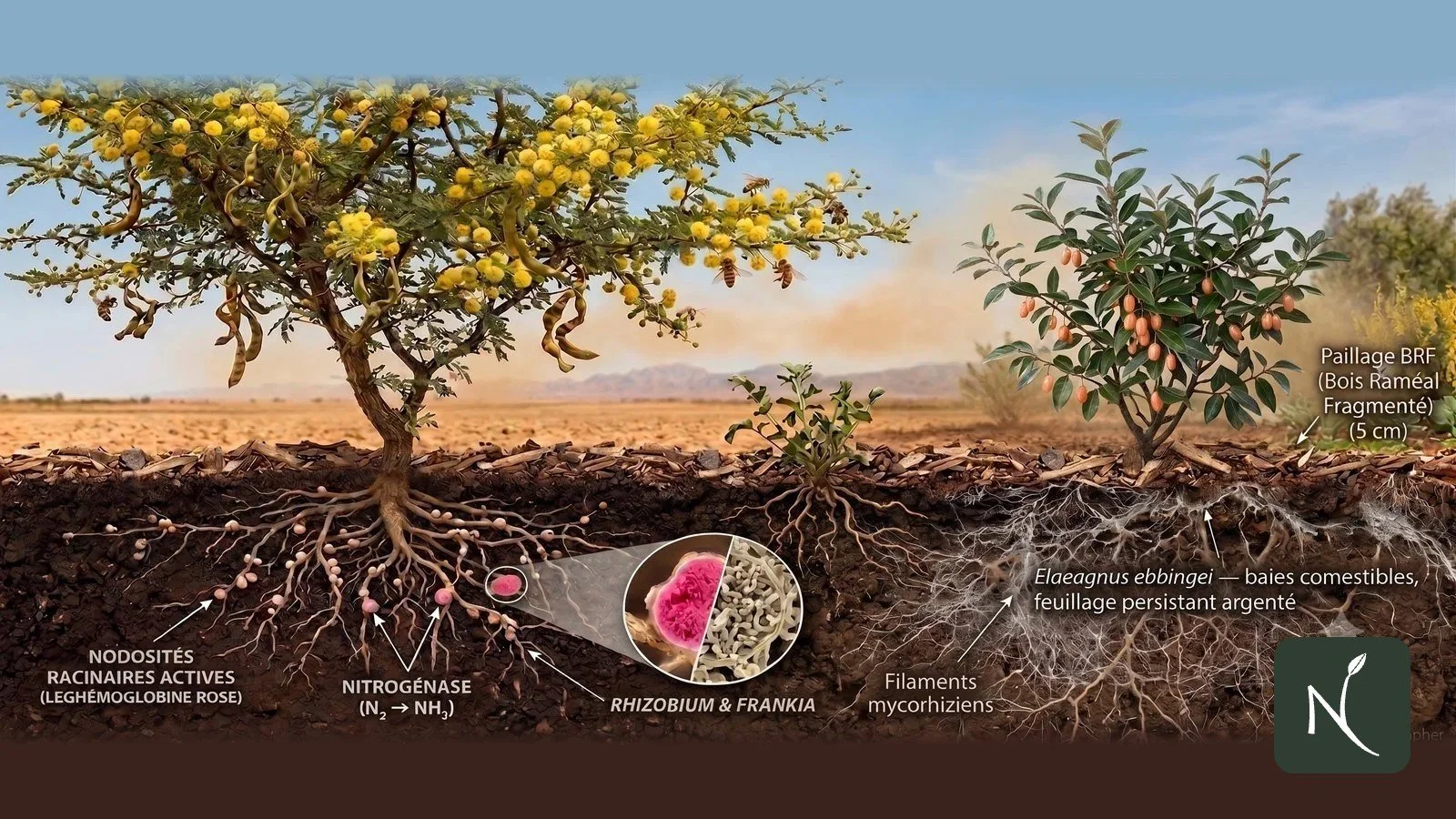
Arbustes fixateurs d’azote : l’usine à azote que vous n’avez pas encore plantée ?
Robinier, Aulne, Argousier, Elaeagnus, Acacias : des arbustes qui fabriquent leur propre azote, nourrissent le sol et donnent un BRF de premier ordre, en France comme au Maroc.
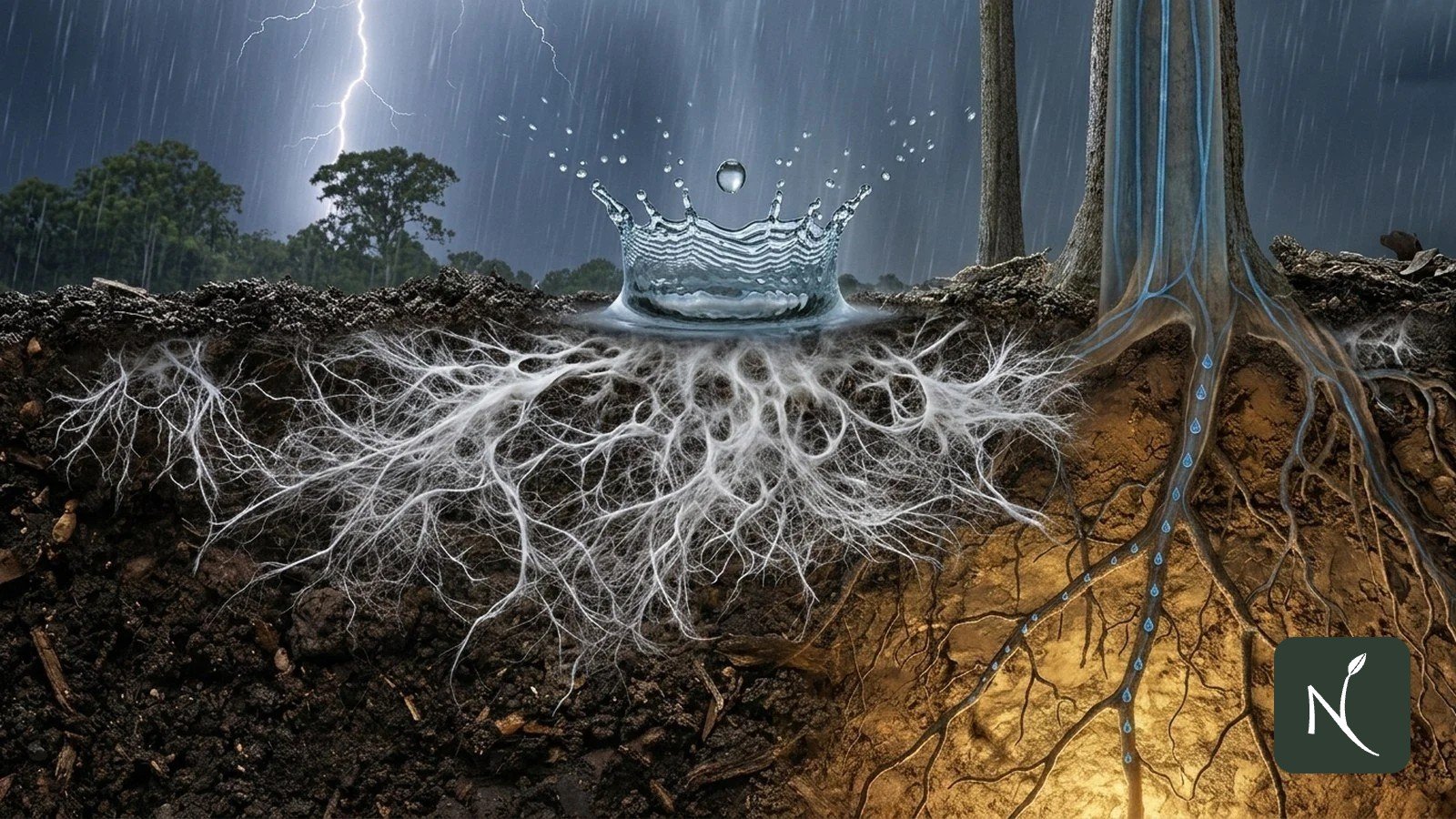
A raindrop is born in the belly of a storm
From lightning to the water table, the journey of a raindrop through living soil, and what ploughing and pesticides have broken in that cycle.
Une goutte de pluie naît dans le ventre d’un orage
De l’éclair à la nappe, le voyage d’une goutte de pluie dans le sol vivant, et ce que le labour et les pesticides ont coupé dans ce cycle.